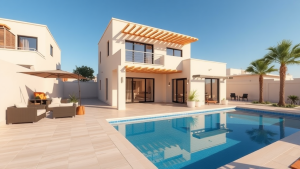

Factors influencing flood insurance premiums for coastal homes in Makadi Bay
Understanding flood insurance premiums for coastal homes in Makadi Bay is essential for homeowners. These premiums can fluctuate based on various factors. You should be aware of the factors that impact insurance costs to make informed decisions and prepare adequately.
Location and elevation
The geographical location and elevation of your property significantly affect flood insurance premiums. Coastal homes located in lower elevation zones are at a higher risk of flooding, leading to elevated insurance costs. If your home sits within a flood zone designated by the Federal Emergency Management Agency (FEMA), you may face higher premiums than homes situated in safer areas. To potentially reduce your costs, consider checking your specific flood zone and any maps that FEMA provides.
Building structure
Your home’s structure also plays a crucial role in determining insurance premiums. Factors influencing this include:
- Foundation Type: Homes with elevated foundations generally incur lower premiums compared to those with traditional slab foundations.
- Materials Used: Houses built with flood-resistant materials can sometimes enjoy lower rates due to their resilience against water damage.
- Age of Home: Older homes may face higher premiums as they often lack modern flood-resistant features.
Claims history
Insurance companies assess the claims history for your property and may consider how frequently previous owners filed claims related to flood damage. If your home has a history of multiple flood claims, your premiums may be higher due to an elevated perceived risk. If you’ve recently purchased the property, it’s wise to ask about the claims history before finalizing your insurance.
Coverage options
The type and amount of coverage you select can significantly impact your premiums. Flood insurance typically offers two coverage options:
- Building Coverage: This covers the structure of your home and may include essential fixtures and systems like plumbing and electrical.
- Contents Coverage: This protects your personal belongings, including furniture and clothing.
Balancing your coverage needs against your budget is critical. It’s advisable to assess how much you can afford to pay for premiums versus what you need to protect against potential loss.
Deductibles
Your choice of deductibles can also affect your flood insurance premium. A higher deductible usually results in lower premium costs, which could be beneficial if you feel confident that a flood won’t occur. Conversely, opting for a lower deductible will increase your premium but provides more immediate financial relief in the event of a catastrophic flood. Evaluate your risk tolerance and choose wisely.
Insurance provider
The insurance company you choose may affect your premiums as well. Different providers assess risk factors and set their rates differently. It’s a good idea to shop around and compare offers from multiple insurance companies to find the best option for your situation. Remember, the least expensive option isn’t always the best; take into account the company’s reputation and customer service quality.
Mitigation measures
If you have taken steps to reduce your home’s flood risk, such as installing sump pumps or flood vents, you might be eligible for premium discounts. Insurance companies recognize proactive measures to prevent damage and may adjust premiums accordingly. Speak with your agent about any improvements you’ve made to help lower your premiums.
Community rating system
Makadi Bay may participate in the Community Rating System (CRS), a program that rewards communities for implementing floodplain management activities. If your local community participates and actively engages in flood risk reduction, you may qualify for premium discounts. It’s beneficial to understand your community’s rating and its implications for your insurance costs.
By grasping the various factors influencing flood insurance premiums for coastal homes in Makadi Bay, you can better navigate this essential part of your homeownership journey. Assess your risk, compare options, and continually look for ways to protect yourself and your investment.
Strategies to mitigate flood risk and lower insurance costs in coastal areas
Coastal areas are home to beautiful landscapes and vibrant communities, but they also face the threat of flooding. Understanding how to mitigate flood risk can not only protect your property and family but also help in lowering flood insurance costs. Here, we explore various strategies that homeowners can adopt.
Assess your flood risk
The first step in mitigating flood risk is to understand the level of risk you face in your specific area. You can start by checking flood zone maps provided by FEMA. These maps categorize areas into different flood risk zones, allowing you to determine if you live in a high-risk area. If your home is in a flood zone, it’s crucial to take proactive measures.
Elevate your home
One effective way to minimize flood risk is to elevate your home above potential flood levels. You can achieve this by:
- Raising your home’s foundation through stilts or piers.
- Using fill dirt to raise the ground around your home.
- Constructing a flood wall or barriers around your property.
Elevating your home can significantly lower your flood insurance premiums, as insurance companies often offer discounts for homes that are built to reduce flood risk.
Invest in flood-resistant materials
Using flood-resistant materials in the construction and renovation of your home can greatly reduce damage caused by flooding. Some recommended materials include:
- Concrete and brick, which are less susceptible to water damage.
- Marine-grade plywood for flooring and cabinetry that can withstand moisture.
- Waterproof sealants for windows and doors.
Choosing these materials not only protects your home but can also lead to lower insurance costs. Insurers often reward homeowners who invest in flood-resistant features.
Maintain your drainage system
A well-maintained drainage system is essential for preventing flooding. Ensure that:
- Gutters are clear of debris and functioning correctly.
- Downspouts direct water away from your home’s foundation.
- Storm drains and culverts are unobstructed.
Regular maintenance can help with runoff during heavy rains, thereby reducing the risk of flooding and potentially impacting your insurance rates positively.
Utilize flood insurance options wisely
When it comes to flood insurance, it is wise to understand the various options available. Consider the following:
- Shop around for different insurance providers to find the best rates.
- Look for community programs that may provide discounts for flood-prone areas.
- Consider a higher deductible to lower your monthly premiums if you can manage potential out-of-pocket costs in a disaster.
Engaging with insurance experts can also help you customize your coverage to suit your needs and possibly save you money.
Participate in local flood mitigation programs
Many coastal communities offer flood mitigation programs aimed at reducing flood risk. By participating in these programs, you not only contribute to a safer environment but may also qualify for cost-saving benefits. These may include:
- Public education on flood risk and prevention.
- Grants for home elevation and flood-proofing projects.
- Community improvement programs focused on drainage and water management.
Engaging with your local government can bring awareness to flood-related issues and create a more resilient community, further reducing individual costs.
Implement landscape modifications
Landscape modifications can help redirect water away from your home. Consider:
- Creating swales (landforms that help manage water flow) to direct rainwater.
- Planting vegetation that absorbs excess water.
- Using permeable paving to allow water to seep into the ground rather than pooling.
These changes not only enhance your property’s aesthetics but can also significantly reduce flood risk.
By implementing these strategies, you can mitigate your flood risk and potentially enjoy lower flood insurance costs. It’s essential to be proactive in protecting your coastal home. The right actions can safeguard your property, create a safer environment, and save you money in the long run.
Understanding how to estimate flood insurance premiums for coastal homes in Makadi Bay involves recognizing various factors that play a significant role in determining costs. Elements such as the property’s elevation, proximity to water sources, and local flood history can greatly influence your insurance rates. By assessing these factors, you can gain a clearer picture of what to expect in terms of premiums.
Moreover, implementing strategies to mitigate flood risk not only protects your home but also helps in lowering insurance costs. Elevating your home, installing flood vents, and maintaining proper drainage systems are practical steps that can make your property less vulnerable to flooding. Additionally, investing in waterproof materials and flood-resistant landscaping can further safeguard your property while presenting you with potential discounts on your premiums.
As a homeowner in Makadi Bay, it’s crucial to stay proactive about your flood insurance. Regularly updating your knowledge about the local flood risk, speaking with insurance agents, and considering government flood protection programs can empower you to make informed decisions. Protecting your investment through educated choices not only enhances security but also optimizes your financial planning.
By combining an understanding of the factors influencing flood insurance premiums with effective mitigation strategies, you position yourself to navigate the complexities of coastal living with greater confidence. Ultimately, this approach ensures that your home remains a safe haven, even in the face of potential flood risks, while also helping you manage costs effectively.
17% discount – 5 bedroom apartment with swimming pool in makadi Hurghada under 200k — homes for irish digital nomads
15% off – 2 bedroom twin house with swimming pool in Magawish Hurghada under 125k — spacious homes for belgian couples